Start with visitors’ needs
Organise pages around the questions visitors ask most often: what services are offered, who operates them, how bookings work, and which channels the team can be reached through. Use specific headings and give each page one primary purpose. Important information should not be available only in images.
Use claims that can be verified
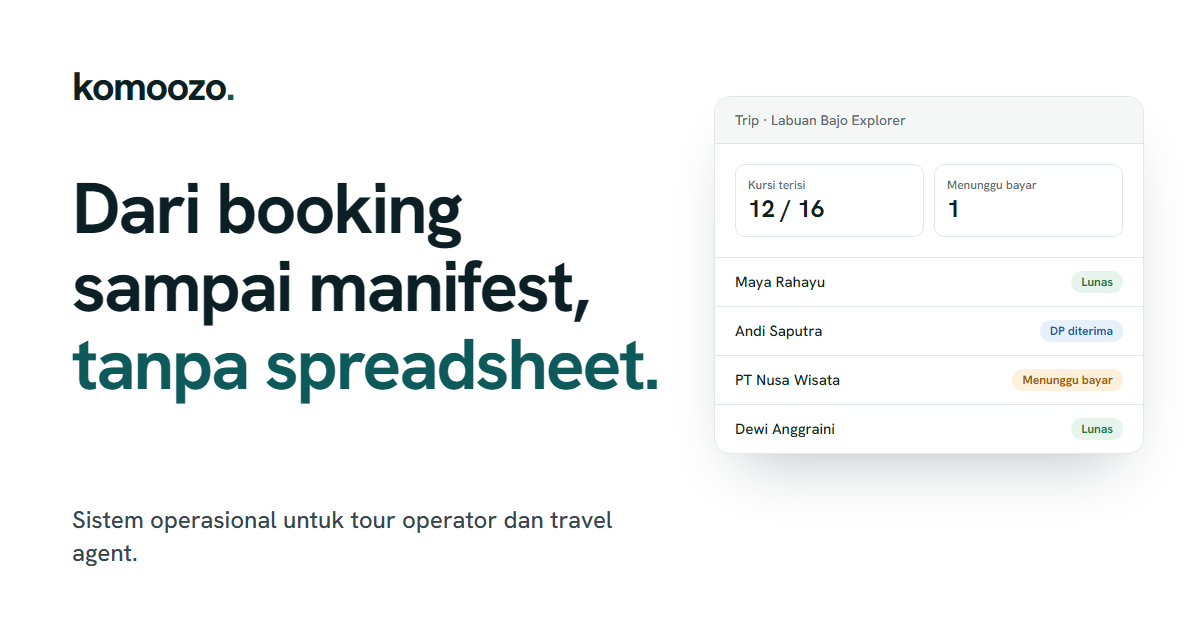
Describe features and processes as they currently work. Avoid claims about customer numbers, improvements, certifications, partnerships, or service guarantees unless they can be verified. Screenshots should come from your own product, use demo data, and include explanations so they are not misleading.
Provide complete business details and policies
Display the operator’s name, accurate location, monitored contact channels, privacy policy, and terms of service. If the business is not a legal entity, use factual wording and do not claim a legal status that has not been established. Update the information when the business’s legal status changes.
Check everything before making the site available to search engines
Check the mobile layout, links, page titles, descriptions, canonical tags, and structured data. Ensure draft pages are not included in the sitemap. After publishing, monitor errors and user questions, then improve the content through a review process so that public information stays consistent with the service.